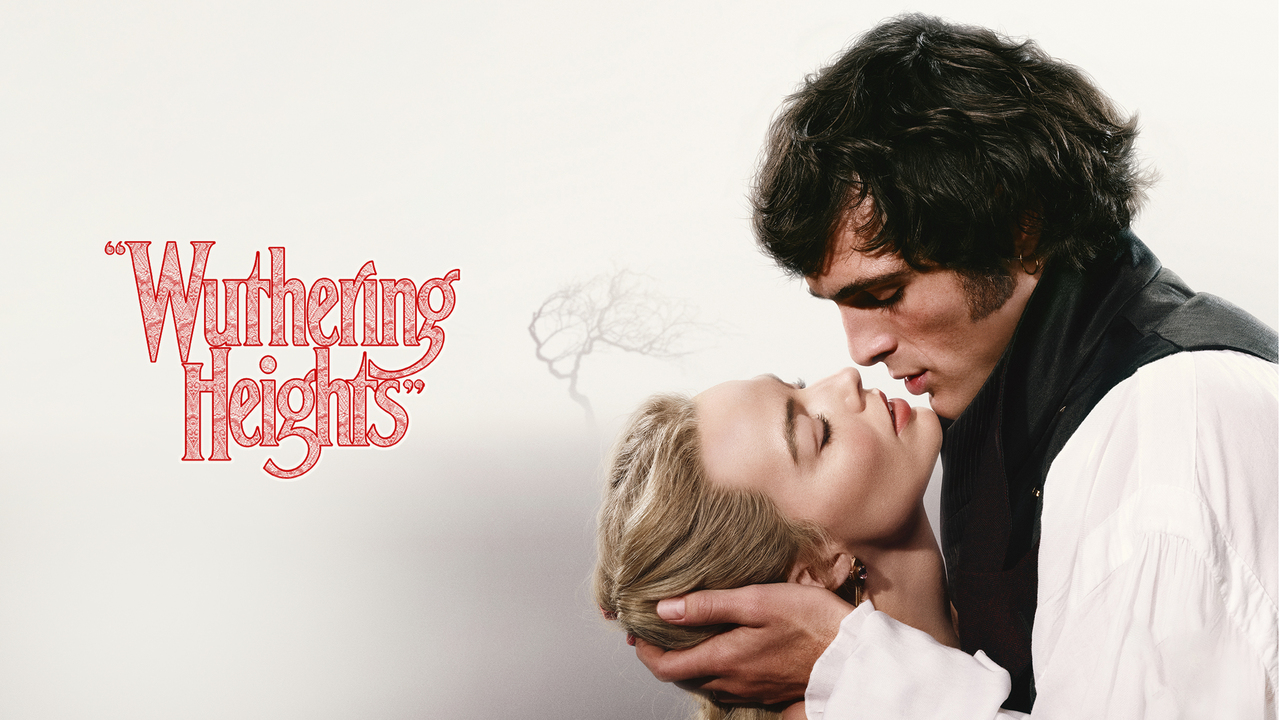
Movie Basics
- Title: Wuthering Heights (2026)
- Director: Emerald Fennell
- Based On: Wuthering Heights by Emily Brontë
- Starring: Margot Robbie, Jacob Elordi
- Genre: Gothic Romance / Period Drama
- Runtime: ~2 hrs 10 mins
Spoiler-Free Synopsis
This 2026 adaptation of Wuthering Heights reimagines Emily Brontë’s tragic romance through a modern gothic lens. The story follows Catherine Earnshaw and Heathcliff. Two souls bound by obsession, pride, and destructive love, as their relationship fractures across class divides, jealousy, and revenge.
Set against the windswept moors, the film leans heavily into atmosphere, intensity, and emotional volatility, offering a visually striking retelling of one of literature’s most infamous love stories.

Review (Spoilers Included)
Let’s start with the obvious: Margot Robbie and Jacob Elordi are stunning in this film. Their casting alone brings a magnetic, almost dangerous beauty to Catherine and Heathcliff. But what makes this adaptation stand out isn’t just the casting. It’s the deliberate aesthetic choices, particularly the color red woven throughout the film.
Red is everywhere.
It bleeds into Catherine’s gowns, the candlelit interiors, the sky during key confrontations, even subtle set details. It becomes a visual motif for passion, rage, obsession, and eventual destruction. Love in this film is never soft. It’s consuming, violent, and self-inflicted. The use of red reinforces that this is not a gentle romance; it’s a wound that never closes.
Jacob Elordi’s Heathcliff leans fully into the brooding, simmering anger of the character. He feels less restrained and more openly volatile than previous portrayals. His resentment burns visibly, and when revenge takes over his adult life, it feels inevitable rather than shocking.
It’s also worth acknowledging the layered history of Heathcliff as a character. In Emily Brontë’s original novel, Heathcliff is described as dark-skinned and racially ambiguous, often interpreted by scholars as being of Romani, Middle Eastern, or otherwise non-English descent. That outsider identity is central to his marginalization and fuels much of the classism and prejudice he experiences. In the 2026 adaptation of Wuthering Heights, Heathcliff is portrayed by Jacob Elordi, who is not a person of color. While Elordi delivers a compelling and emotionally charged performance, the casting does shift the social dynamics of the story. The racial “otherness” that intensified Heathcliff’s alienation in Wuthering Heights by Emily Bronte becomes more muted, placing heavier emphasis on class division and personal vengeance rather than racial exclusion. It’s an interesting creative choice, one that changes the texture of his outsider status and inevitably reshapes how modern audiences interpret his pain and fury.
Margot Robbie’s Catherine is luminous but deeply flawed. She captures Catherine’s selfishness and longing in equal measure. Her choice to marry Edgar isn’t framed as purely cruel; it’s desperate, prideful, and painfully human. That tension between what she wants and what she chooses becomes the emotional spine of the film.
The emotional unraveling after Catherine’s death is where the movie goes full gothic tragedy. Heathcliff’s grief doesn’t soften him; it warps him. The final sequences, soaked again in deep crimson hues, feel less like closure and more like a haunting that will echo forever.

The Use of Red (Aesthetic Commentary)
The decision to thread red through nearly every major moment is fascinating. It transforms the film into something almost feverish. Red becomes:
- Passion between Catherine and Heathcliff
- The violence of betrayal
- The bloodline and inheritance conflicts
- The lingering ghost of love that turns into obsession
It makes the film feel heightened, theatrical, and emotionally overstimulated, which actually suits Wuthering Heights. This story has never been subtle.
Recommendation
If you love gothic romance, morally gray characters, and heightened visual storytelling, this adaptation is absolutely worth watching. It leans into style and emotional chaos rather than restrained period realism.
If you prefer softer romantic arcs or characters who grow toward redemption, this may feel heavy and unforgiving.

Leave a Reply